Why Smart Demolition Starts With Sorting Materials Before the First Wall Comes Down
A demolition project can create thousands of pounds of mixed debris in just a few hours. Without a clear material segmentation strategy, recyclable materials get contaminated, hazardous waste becomes harder to manage, and disposal costs rise quickly. In demolition in Vancouver WA, professional demolition teams use structured separation methods to improve recycling efficiency, support environmental stewardship, and maintain regulatory compliance throughout the demolition process.
For companies like A-1 Demolition & Hauling, segmentation begins long before debris removal starts. Materials are identified, isolated, and processed in phases so recyclable concrete, metal, wood, and hazardous materials can each follow the correct disposal path.
Professional demolition uses material segmentation to separate recyclable, reusable, hazardous, and inert waste before and during demolition. This organized process improves recycling rates, reduces disposal costs, protects workers from hazardous exposure, and keeps demolition projects compliant with environmental and safety regulations.
How Demolition in Vancouver WA Separates Materials Before Teardown Begins
Material segmentation isn’t just cleanup. It’s planning. Before structural or interior demolition begins, crews evaluate the structure to determine which waste types are present and where they’re located.
That early assessment shapes the entire demolition process. A demolition contractor may identify:
- Concrete structures suitable for crushing and reuse
- Scrap metal for a recycling company processing
- Hazardous materials requiring specialized handling
- Inert waste that can move directly to approved disposal facility locations
People often ask, “Why not sort materials after demolition instead?” Because mixed debris slows everything down. Once hazardous waste contaminates clean material streams, recycling becomes harder and more expensive. Segmentation works best when it starts before demolition activities begin.
This is especially true in Vancouver, WA, where stricter environmental standards and landfill restrictions encourage environmentally friendly demolition practices and responsible waste management.
Why Selective Demolition Has Become the Backbone of Modern Recycling
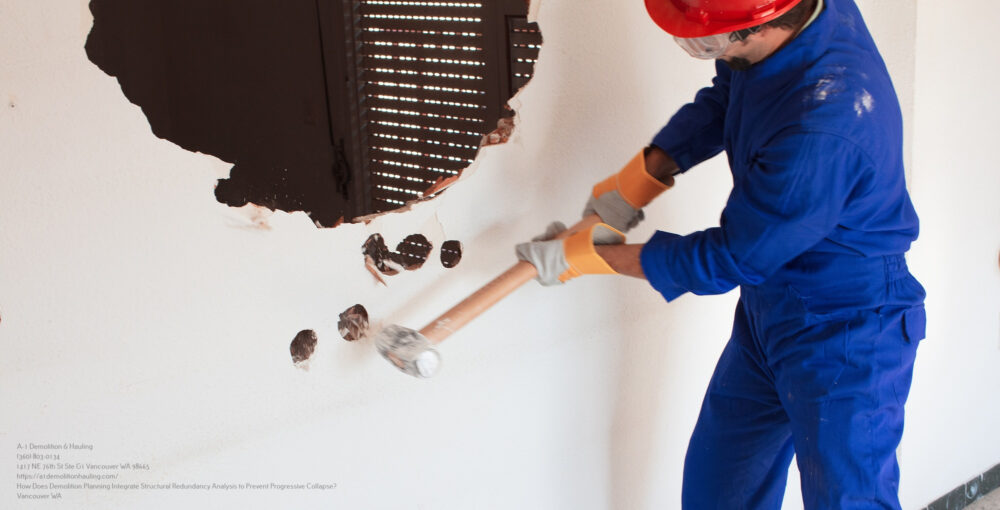
Selective demolition has changed how demolition contractors approach waste reduction. Instead of collapsing everything at once, crews dismantle structures in stages to preserve reusable and recyclable materials.
What Selective Demolition Actually Removes
Selective Building Interior Demolition focuses on separating materials before structural systems are removed. Crews may isolate:
- Metal framing
- Concrete slabs
- Reusable fixtures
- Wood components
- Recyclable insulation
- Bulky waste
This process supports environmentally friendly demolition techniques while reducing landfill pressure. According to the EPA, construction and demolition debris accounts for hundreds of millions of tons of waste annually in the United States, making proper recycling practices increasingly important.
In industrial facilities and commercial demolition projects, selective demolition also helps preserve portions of the structure that remain operational during phased construction.
Need Professional Demolition Services With Responsible Recycling?
Contact A-1 Demolition & Hauling today for safe, efficient demolition support.
The Hidden Cost of Mixed Debris Most Property Owners Never See
At first glance, throwing everything into the same haul-off pile seems faster. In reality, mixed demolition debris often requires more labor, higher transport costs, and greater regulatory risk.
Why Contamination Changes Everything
Construction and demolition (C&D) debris includes many materials that react differently to disposal conditions. Concrete, drywall, wood, insulation, and metal all require separate handling standards. Hazardous materials, such as asbestos or lead-based products, require even stricter controls.
Once these materials mix:
- Recycling opportunities decrease
- Transfer stations may reject loads
- Disposal fees increase
- Cleanup timelines grow longer
Professional demolition services avoid this by creating dedicated material streams early in the project. That approach improves customer service by delivering cleaner sites, fewer delays, and more predictable project outcomes.
What Hazard Control Looks Like Before Debris Ever Leaves the Site
Hazard control starts long before the dump truck fleet arrives. Professional demolition contractors perform Environmental Assessment reviews and Hazardous Material Assessment procedures to identify dangerous materials before demolition begins.
The Materials Crews Pay the Closest Attention to
Structures built decades ago often contain asbestos, lead paint, contaminated insulation, or chemical residues hidden behind walls and under flooring. During house teardowns and residential demolition projects, these materials can become airborne quickly if mishandled.
That’s why experienced crews coordinate:
- Asbestos removal
- Lead Abatement and Remediation
- Water Abatement and Remediation
- Underground Storage Tank Removal
- Abatement and Remediation planning
Companies involved in regulatory compliance often work alongside environmental specialists, General Contractor teams, and certified haulers to safely isolate hazardous waste before structural demolition begins.
How Efficient Material Flow Speeds Up the Entire Construction Project
Good segmentation doesn’t just reduce waste. It improves project efficiency from start to finish.
Organized Debris Means Faster Site Movement
When debris removal follows a planned system, side-dump trucks and haul-off services can move continuously without bottlenecks. Materials are delivered directly to recycling company partners, transfer stations, or approved disposal facilities, rather than sitting onsite.
This matters on:
- Full site clearing projects
- Site Clearing Operations
- Commercial demolition
- Post-construction debris cleanup
- Residential and commercial deconstruction services
A cleaner workflow also protects crews during deconstruction activities because separated debris creates fewer trip hazards and less exposure to hazardous waste.
Why Concrete, Metal, and Wood Each Require Different Segmentation Methods
Not every recyclable material behaves the same way. That’s why professional demolition contractors use different handling strategies depending on the material type.
Concrete Requires Crushing and Clean Separation
Concrete removal often involves Concrete Cutting to isolate slabs and reduce contamination. Clean concrete can sometimes be reused as aggregate or fill material during site preparation.
Metal Recovery Depends on Purity
Scrap metal has a higher recycling value when it’s separated by type and kept free from insulation or concrete contamination. Structural demolition crews often isolate steel before other demolition activities progress.
Wood Materials Need Contamination Control
Untreated wood may qualify for recycling or reuse, while painted or chemically treated materials may require special handling depending on state and local regulations.
In Vancouver WA, demolition teams must balance efficiency with environmental stewardship to keep recycling efforts both practical and compliant.
What Smart Demolition Contractors Track Behind the Scenes
Property owners often focus on visible demolition work. But the real organization happens behind the scenes.
Segmentation requires logistics coordination.
Professional demolition contractors track:
- Waste types
- Load destinations
- Haul-off schedules
- Recycling percentages
- Disposal documentation
Some projects also require coordination with:
- Waste Connections
- G-Certified hauler operators
- State Contracting LLC
- 3 Kings Environmental
- Clark County Painting during remediation phases
These partnerships help streamline debris movement while supporting safety standards and environmental requirements.
Why Material Segmentation is Becoming a Competitive Advantage
Years ago, demolition was judged mostly by speed. Today, clients care just as much about reducing waste, minimizing environmental impact, and ensuring responsible disposal.
Property Owners Now Expect Smarter Demolition
Commercial property owners, developers, and municipalities increasingly ask about:
- Recycling practices
- Environmental stewardship
- Hazardous waste handling
- Disposal transparency
- Sustainability goals
A demolition contractor who can manage segmentation efficiently often saves the client money over time by reducing disposal fees and improving site turnover.
In demolition in Vancouver WA, segmentation has become more than a technical process. It’s part of how trusted contractors build credibility.
A-1 Demolition & Hauling Combines Safe Demolition with Responsible Material Management
We at A-1 Demolition & Hauling provide the best solutions to our customers by approaching demolition with planning, organization, and environmental responsibility from the very beginning. Our team carefully separates recyclable materials, hazardous waste, inert waste, and deconstruction waste to improve efficiency and protect surrounding properties.
Our demolition services include structural demolition, selective demolition, interior demolition, debris removal, concrete removal, Site Clearing, and residential and commercial deconstruction services throughout Vancouver, WA. We also support customers with junk removal, post-construction debris cleanup, foreclosure and estate cleanout, hoarding cleanup, and environmentally conscious disposal.
We take pride in supporting environmental stewardship through modern recycling practices, coordination with transfer stations and disposal facilities, and strict attention to regulatory compliance. Contact A-1 Demolition & Hauling today for reliable demolition expertise built around safety, recycling efficiency, and long-term value in demolition in Vancouver WA.
Need Professional Demolition Services With Responsible Recycling?
Contact A-1 Demolition & Hauling today for safe, efficient demolition support.